Introduction
The electrification of existing buildings is a powerful tool for decarbonizing the built environment. As of 2022, commercial and residential buildings accounted for approximately 31% of total U.S. greenhouse gas emissions (1). By retrofitting existing buildings with high-efficiency mechanical, electrical, and plumbing (MEP) equipment, building owners can significantly reduce their energy use intensity and carbon footprint. In Colorado, reducing building-related emissions also aligns projects with state Climate Action Goals and regulatory emphasis on electrification and high-performance building standards. For affordable housing developments in particular, pursuing electrification and higher levels of energy efficiency can enhance Housing Tax Credit application competitiveness under CHFA’s QAP by supporting the state’s goal of achieving 100% renewable energy by 2040.
Electrifying existing buildings offers real benefits for owners and residents. These retrofits can address capital needs, improve building resilience, and maintain operating costs at or below existing levels. Electrification also provides an opportunity to add cooling to buildings and improve indoor air quality, delivering health and comfort outcomes.
Electrification retrofits can be especially challenging for affordable housing. Sector specific barriers include limited financial resources for capital investment, deferred maintenance, and operating margins with minimal tolerance for increased utility costs. However, affordable housing providers in Colorado also have the opportunity to leverage state, municipal, and utility funding sources designed to make electrification accessible for low-income communities.
Successful affordable housing electrification requires both owner commitment and technical expertise. Building owners should lead with properties that stand to gain the most from electrification and are the easiest to electrify. When served by projects teams experienced in retrofits of comparable scale and complexity, these sites will be best positioned for success.
Although there is no one-size-fits-all approach for electrification, the following sections outline a best practice process map for evaluating retrofit opportunities:
-
Develop an appropriate funding strategy
-
Enlist support from experienced technical experts
-
Assess key building characteristics relevant to electrification and capital needs
-
Evaluate electrification options for constructibility, in the context of building specific infrastructure limitations
-
Ensure that the operation and maintenance of new systems is feasible
Funding Strategy
The feasibility of affordable housing electrification retrofits depends heavily on leveraging external funding to address high first-costs, marginal energy cost savings, and technical assistance expenses. In most cases, the presence of relevant funding opportunities, rather than the availability of technical solutions, will determine what is possible for a specific property. Because early-stage feasibility assessments and concept development require specialized services that can be cost-intensive, securing financial support at the outset is essential.
Colorado offers several funding opportunities that owners can leverage for electrification retrofits. To succeed, owners should develop a strategy that ensures both pre-development and construction costs are minimized. By adopting a diversified funding approach, project teams can evaluate and stack various sources, including municipal and state programs, local utility incentives and third-party grants. For a searchable database of opportunities curated for affordable housing, see our Resource Finder. At a minimum, projects should review funding resources offered by Energy Outreach Colorado and the Colorado Energy Office.
Financial feasibility increases substantially when electrification scope is coordinated with planned modernization or rehab activities. Modernization projects often have funding sources that can be supplemented by energy grants, and electrification scopes can address modernization needs.
Professional Support
Electrifying multifamily affordable housing in cold climates is technically complex and requires owners to engage specialized expertise early in the planning process. The primary roles to consider include:
- MEP Engineering: Essential for feasibility analysis, capital needs assessment, formal design, permitting, and coordinating complex electrical and mechanical requirements.
- Installation Contractors: Mechanical or general contractors provide vital constructability feedback and cost estimates during the concept phase.
- Energy Modeling and Load Analysis: Provides insight into operational performance, peak demand, and the impact of utility tariff structures on operating costs.
- Sustainability and Decarbonization Consulting: Acts as a cross-disciplinary lead to align technical planning with energy audit results, incentives, site-specific climate hazards, and emissions goals.
Building Assessment and Constructability Considerations
Before developing an electrification strategy, building owners should perform a Capital Needs Assessment (CNA) and energy audit to identify where existing infrastructure needs overlap with electrification goals. The value of electrification is maximized when it addresses capital improvements, such as HVAC systems reaching the end of their service life, failing hydronic infrastructure, or the absence of adequate cooling.
Constructability significantly influences the total cost of electrification and typically drives projects toward the most cost-effective, least intrusive strategies. When evaluating an occupied building, owners must also balance existing infrastructure limitations with the potential impact on residents. Any electrification pathway requiring large-scale infrastructure overhauls or extensive tenant relocation is rarely financially or practically feasible.
Project costs are often influenced more by site-specific conditions than by the proposed equipment. Consequently, teams should evaluate constructability across these several key areas:
Avoiding major infrastructure upgrades is almost always the most favorable route, as it reduces utility scheduling delays, construction costs, and the need to bring older systems up to modern codes. When infrastructure replacement is unavoidable, utilizing a phased construction approach can help minimize resident displacement and cost increases.
Identify Viable Solutions and Easy Wins
Easy wins around electrifying existing affordable housing developments can be hard to find. The feasibility and simplicity of a retrofit are dependent on two factors: the condition of existing infrastructure and the specific type of building systems already in place. The following system types are sometimes simpler to electrify, as existing infrastructure can be reused and the current heating systems can frequently be kept as backup in a hybrid electrification approach:
Challenging Buildings: Hard to Electrify
Many existing affordable housing developments fall into the hard-to-electrify category. This includes buildings with central natural gas boiler plants that provide both space heating and domestic hot water. Primary barriers to electrifying this building typology include:
Owners typically choose between maintaining a central system or transitioning to a distributed approach (ie. in-unit ductless mini-splits) based on financial feasibility and building layout. In many cases, a hybrid approach that utilizes existing gas systems for supplemental heat emerges as the most viable option once constructability issues are considered.
Operations and Maintenance
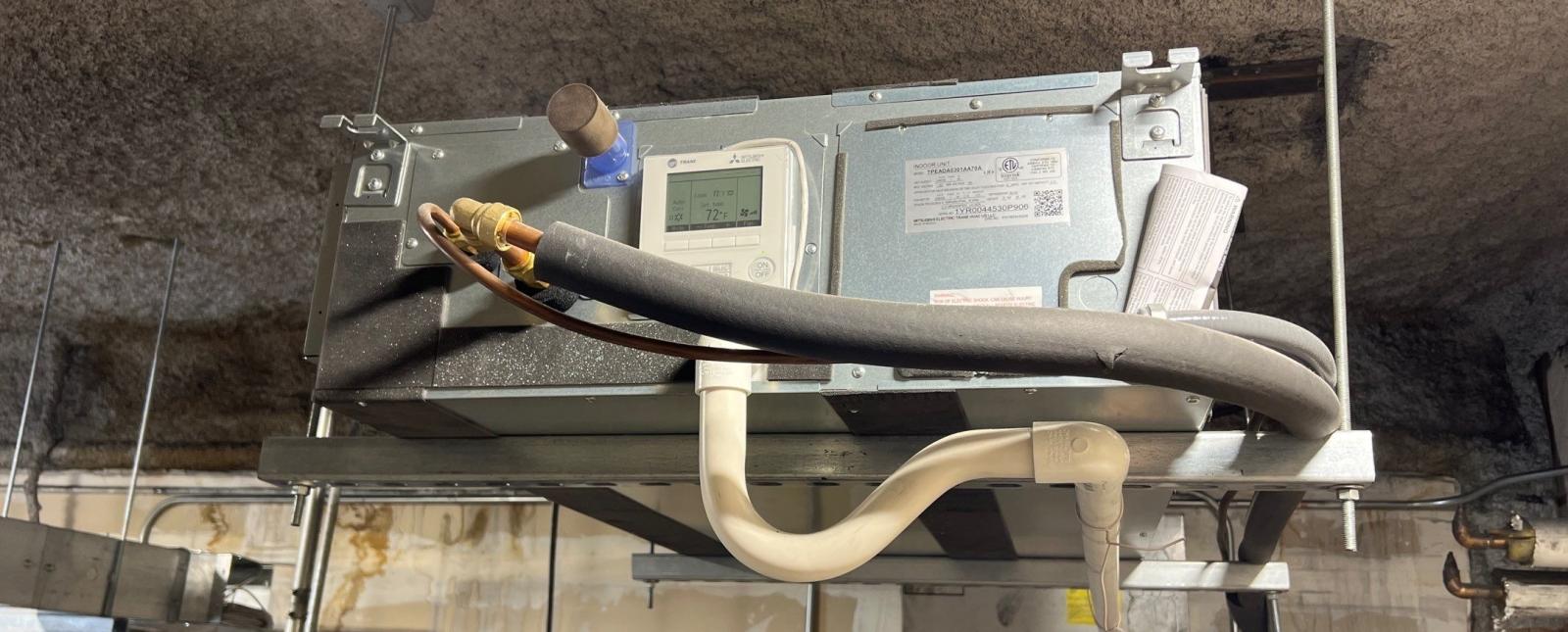
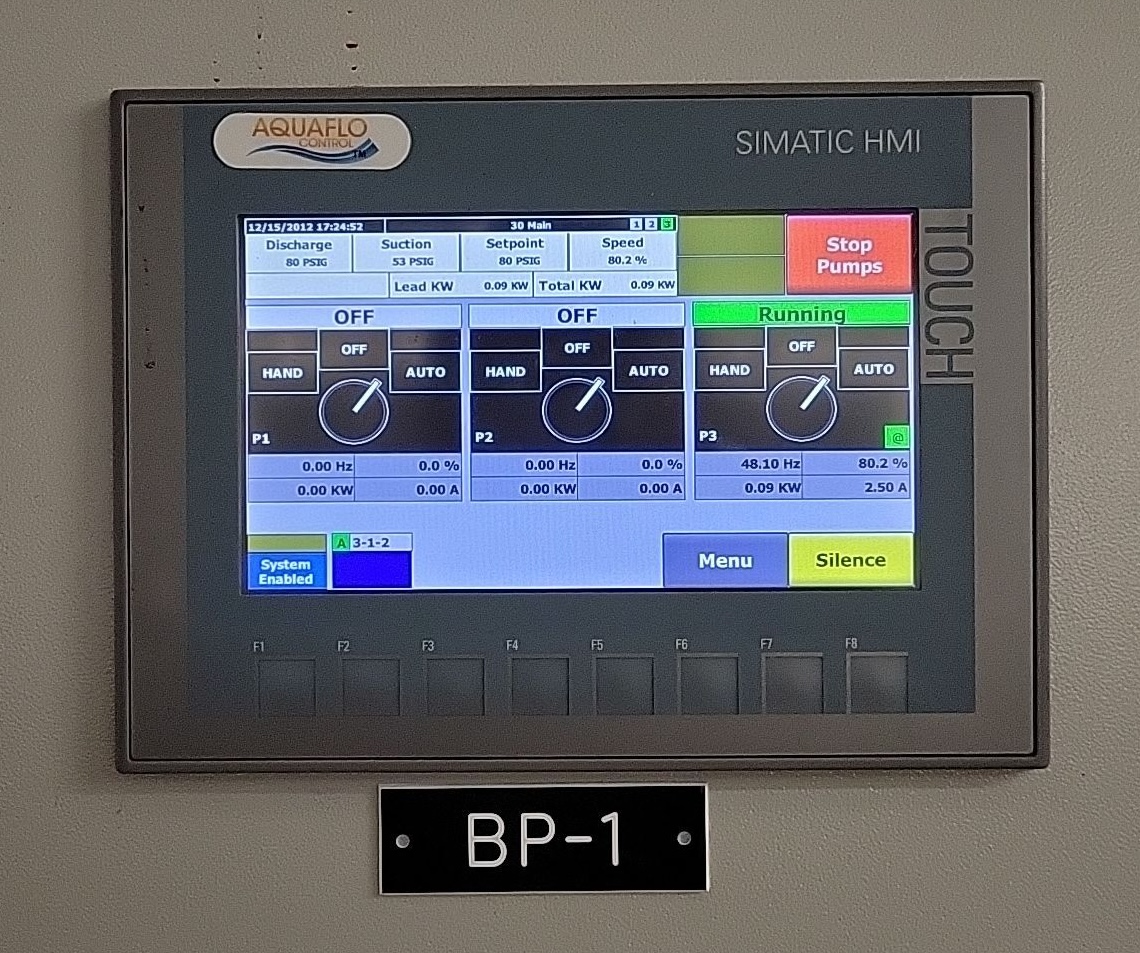
After an electrification retrofit is complete and all systems are installed, the focus shifts to ensuring the equipment operates as designed. The added complexity of a new electric or hybrid system typically requires a building automation system (BAS) for central systems and thoughtful settings on individual controllers serving distributed systems. Even with a properly commissioned system, it is common to spend the first year monitoring operations and utility costs in order to optimize set points and changeover temperatures.
Training staff on the operation and maintenance of new systems can be challenging when members lack formal training on high-performance HVAC technology. This is especially hard in affordable housing, where maintenance staff turnover rates are high and familiarity with complex MEP systems is low. To mitigate operational risk, building owners should:
-
Prioritize simpler retrofit options
-
Develop knowledge redundancy across key positions.
-
Maintain comprehensive training resources to support staff turnover
-
For larger portfolios with complex systems, standardize Building Automation System controls and operationalize remote monitoring and diagnostics.
-
Contract preventative maintenance vendors as part of ongoing O&M planning.
Summary
Electrification is a vital strategy for reducing energy intensity and carbon emissions associated with affordable housing. Effectively incorporating heat pump technology may also be the only viable solution for some properties to meet stringent building performance standards. However, electrifying existing affordable housing has many barriers, and there is no single approach that works for every property. Hybrid approaches that leverage gas fired equipment in cold conditions are frequently the most practical and cost-effective option under current technology and market conditions.
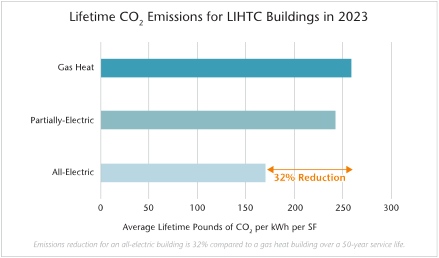
Emissions reduction for an all-electric building is 32% compared to a gas heat building over a 50-year service life
The outlook for electrification will only improve as technology advances, equipment costs decline, and industry experts build familiarity with effective strategies. As the market for these retrofits grows, more standardized design approaches and increased project volume will naturally reduce technical barriers and improve cost certainty for owners.